 SUCHEN SIE DIE PASSENDE
INDUSTRIELLE LÖSUNG?
Entdecken Sie Embedded-, Kommunikations- und Automatisierungslösungen für Ihre Anwendung.
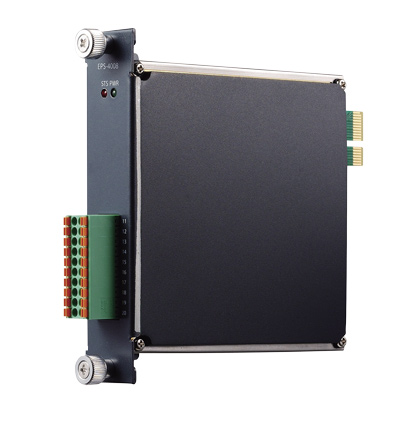
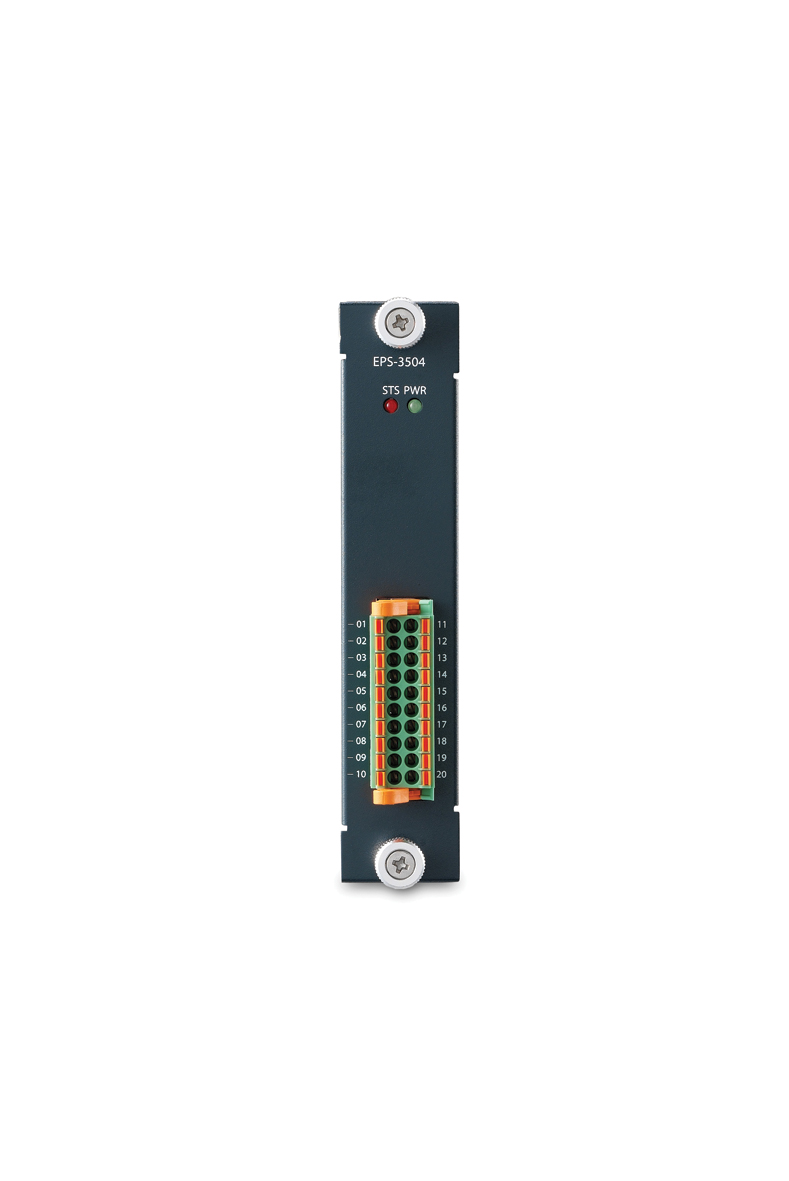
- 4‑Channel RTD Input: Supports four independent RTD sensor channels for simultaneous temperature measurement.
- Sensor Compatibility: Compatible with PT100, PT500, and PT1000 platinum RTDs.
- Wiring Flexibility: Supports 2‑wire, 3‑wire, and 4‑wire measurement configurations for optimal accuracy and noise immunity.
- High Resolution: 24‑bit A/D conversion ensures precise temperature readings and fine measurement granularity.
- Sampling Rate: Adjustable between 5 Hz and 20 Hz, balancing response time and accuracy.
- Wide Temperature Range: Measures from ‑200 °C to +850 °C, suitable for a broad range of industrial processes.
- High Accuracy: ±0.007 % of full‑scale range (FSR) DC accuracy and ±0.5 °C temperature accuracy.
- Excitation Current: Up to 500 µA per channel for stable RTD excitation.
- Electrical Isolation: 2 kV DC isolation between channels and ground, ensuring signal integrity and protection against electrical noise.
- Hot‑Swappable: Can be replaced or added without powering down the EPS system, minimizing downtime.
- Compact Form Factor: 100 mm (L) × 100 mm (H) module size for dense system integration.
- Wide Operating Temperature: Reliable operation from ‑20 °C to +60 °C.
- Quick‑Removable Connector: Uses Phoenix Contact DFMC series connectors for easy installation and maintenance.
- IEC 61131 Compliance: Meets international industrial control standards for programmable automation systems.
- Slave Module Health Monitoring: Integrated diagnostics for module presence, power status, and over‑temperature protection.
- EtherCAT Integration: Fully compatible with ADLINK’s EPS‑6000 bus coupler and third‑party EtherCAT masters via ESI files generated by LinkMasterPro™.
- Sensor Compatibility: Compatible with PT100, PT500, and PT1000 platinum RTDs.
- Wiring Flexibility: Supports 2‑wire, 3‑wire, and 4‑wire measurement configurations for optimal accuracy and noise immunity.
- High Resolution: 24‑bit A/D conversion ensures precise temperature readings and fine measurement granularity.
- Sampling Rate: Adjustable between 5 Hz and 20 Hz, balancing response time and accuracy.
- Wide Temperature Range: Measures from ‑200 °C to +850 °C, suitable for a broad range of industrial processes.
- High Accuracy: ±0.007 % of full‑scale range (FSR) DC accuracy and ±0.5 °C temperature accuracy.
- Excitation Current: Up to 500 µA per channel for stable RTD excitation.
- Electrical Isolation: 2 kV DC isolation between channels and ground, ensuring signal integrity and protection against electrical noise.
- Hot‑Swappable: Can be replaced or added without powering down the EPS system, minimizing downtime.
- Compact Form Factor: 100 mm (L) × 100 mm (H) module size for dense system integration.
- Wide Operating Temperature: Reliable operation from ‑20 °C to +60 °C.
- Quick‑Removable Connector: Uses Phoenix Contact DFMC series connectors for easy installation and maintenance.
- IEC 61131 Compliance: Meets international industrial control standards for programmable automation systems.
- Slave Module Health Monitoring: Integrated diagnostics for module presence, power status, and over‑temperature protection.
- EtherCAT Integration: Fully compatible with ADLINK’s EPS‑6000 bus coupler and third‑party EtherCAT masters via ESI files generated by LinkMasterPro™.
Comprehensive Product Summary – ADLINK EPS‑3504 4‑Channel RTD Thermal Input EtherCAT Module
### 1. Product Overview
Product Name: EPS‑3504
Model Number: EPS‑3504
Series: ADLINK EPS Series EtherCAT Slave System
Article Number: EPS‑3504
Manufacturer: ADLINK Technology, Inc.
Part Number: 50‑40293‑5000
Product Type: 4‑Channel RTD (Resistance Temperature Detector) Thermal Input Module for EtherCAT
Revision: Quick Start Guide Rev. 2.00 (May 8, 2015)
Manual Reference: EPS Series User’s Manual Rev. 2.00 (Aug. 2, 2015)
The ADLINK EPS‑3504 is a high‑precision, four‑channel RTD thermal input module designed for EtherCAT‑based distributed control systems. It is part of ADLINK’s modular EPS Series of EtherCAT slave modules, engineered for industrial automation, process control, and smart factory applications. The EPS‑3504 provides accurate temperature measurement using platinum RTD sensors (PT100, PT500, PT1000) and supports 2‑, 3‑, and 4‑wire connection configurations. It integrates seamlessly into the EPS slave system via the EPS‑6000 EtherCAT bus coupler and operates reliably in harsh industrial environments.
### 2. Key Features
- 4‑Channel RTD Input: Supports four independent RTD sensor channels for simultaneous temperature measurement.
- Sensor Compatibility: Compatible with PT100, PT500, and PT1000 platinum RTDs.
- Wiring Flexibility: Supports 2‑wire, 3‑wire, and 4‑wire measurement configurations for optimal accuracy and noise immunity.
- High Resolution: 24‑bit A/D conversion ensures precise temperature readings and fine measurement granularity.
- Sampling Rate: Adjustable between 5 Hz and 20 Hz, balancing response time and accuracy.
- Wide Temperature Range: Measures from ‑200 °C to +850 °C, suitable for a broad range of industrial processes.
- High Accuracy: ±0.007 % of full‑scale range (FSR) DC accuracy and ±0.5 °C temperature accuracy.
- Excitation Current: Up to 500 µA per channel for stable RTD excitation.
- Electrical Isolation: 2 kV DC isolation between channels and ground, ensuring signal integrity and protection against electrical noise.
- Hot‑Swappable: Can be replaced or added without powering down the EPS system, minimizing downtime.
- Compact Form Factor: 100 mm (L) × 100 mm (H) module size for dense system integration.
- Wide Operating Temperature: Reliable operation from ‑20 °C to +60 °C.
- Quick‑Removable Connector: Uses Phoenix Contact DFMC series connectors for easy installation and maintenance.
- IEC 61131 Compliance: Meets international industrial control standards for programmable automation systems.
- Slave Module Health Monitoring: Integrated diagnostics for module presence, power status, and over‑temperature protection.
- EtherCAT Integration: Fully compatible with ADLINK’s EPS‑6000 bus coupler and third‑party EtherCAT masters via ESI files generated by LinkMasterPro™.
### 3. Technical Specifications
| Parameter | Specification |
|----------------|------------------|
| Input Channels | 4 RTD inputs |
| Sensor Types | PT100, PT500, PT1000 |
| Wiring Technology | 2‑wire, 3‑wire, 4‑wire |
| Resolution | 24 bit |
| Sampling Rate | 5 – 20 Hz |
| Measured Temperature Range | ‑200 °C to +850 °C |
| Path Resistance Range | 18 Ω – 3900 Ω |
| Accuracy (DC) | ± 0.007 % of FSR |
| Accuracy (Temperature) | ± 0.5 °C |
| Excitation Current (Max.) | 500 µA |
| Power Consumption (from chassis) | < 450 mW (max.) |
| Thermal Dissipation (at max temp.) | < 2.55 W @ EVCC = 24 V + 10 % |
| Operating Temperature | ‑20 °C to +60 °C |
| Storage Temperature | ‑40 °C to +85 °C (system level) |
| Isolation (Channel‑to‑DGND) | 2 kV DC |
| Isolation (Channel‑to‑Chassis) | 2 kV DC |
| Dimensions | 100 mm (L) × 100 mm (H) |
| Connector Type | Phoenix Contact DFMC series, 1787195 |
| Connector Pitch | 3.5 mm |
| Connector Pins | 1 × 20 pin |
| Wire Gauge | AWG 16 – 24 |
| Hot Swap Support | Yes |
| Compliance | IEC 61131, EN 60068‑2, EN 61000‑6 |
| Weight | Approx. 100 g (module only) |
### 4. Functionality
The EPS‑3504 functions as a precision thermal measurement interface within an EtherCAT‑based distributed I/O system. Each of its four channels measures resistance from connected RTD sensors and converts it into temperature data using a 24‑bit sigma‑delta ADC. The module excites each RTD with a controlled current (up to 500 µA) and compensates for lead resistance depending on the wiring configuration:
- 2‑Wire: Simplest connection, suitable for short cable runs.
- 3‑Wire: Compensates for lead resistance in one leg, improving accuracy.
- 4‑Wire: Provides full lead‑resistance compensation for highest precision.
The module communicates with the EtherCAT master through the EPS‑6000 bus coupler, transmitting temperature data cyclically. It supports EtherCAT CoE (CANopen over EtherCAT) and FoE (File over EtherCAT) protocols, enabling configuration, diagnostics, and firmware updates.
Typical Applications:
- Industrial process temperature monitoring
- Machine tool thermal compensation
- Environmental chamber control
- Energy management and HVAC systems
- Food and pharmaceutical process control
- Laboratory instrumentation and test benches
Compatibility:
- Fully compatible with ADLINK’s EPS‑6000 EtherCAT bus coupler
- Operates with ADLINK Talos EtherCAT master controllers
- Supports third‑party EtherCAT masters via ESI (EtherCAT Slave Information) files generated by LinkMasterPro™
### 5. Components & Accessories
Included Items:
- EPS‑3504 module
- Quick Start Guide (Rev. 2.00)
- Phoenix Contact DFMC connector (1 × 20 pin)
- Mounting screws
Optional Accessories:
- EPS‑9905 chassis (DIN‑rail mountable, 5 slots)
- EPS‑6000 EtherCAT bus coupler module
- External 24 V DC power supply (9 – 30 V input range)
- LinkMasterPro™ configuration software (Windows utility)
Connectors & Pin Assignments:
| Pin | Signal | Pin | Signal |
|----------|-------------|----------|-------------|
| 01 | AGND | 11 | AGND |
| 02 | EX0+ | 12 | EX0 |
| 03 | SI0+ | 13 | SI0 |
| 04 | EX1+ | 14 | EX1+ |
| 05 | SI1+ | 15 | SI1+ |
| 06 | EX2+ | 16 | EX2+ |
| 07 | SI2+ | 17 | SI2+ |
| 08 | EX3+ | 18 | EX3+ |
| 09 | SI3+ | 19 | SI3+ |
| 10 | AGND | 20 | AGND |
LED Indicators:
- STS (Status): Blinking – module present / over‑temperature protection active
- PWR (Power): Lit – module powered and operational
### 6. Installation & Setup
System Requirements:
- EPS‑9905 chassis with available peripheral slot (Slots 1 – 4)
- EPS‑6000 EtherCAT bus coupler installed in Slot 0
- 24 V DC power supply (± 10 %)
- EtherCAT master controller (ADLINK Talos or third‑party)
- LinkMasterPro™ software for configuration and ESI generation
Installation Procedure:
1. Ensure the EPS‑9905 chassis and EPS‑6000 bus coupler are powered off.
2. Align the EPS‑3504 module with the guide rails of an available slot.
3. Slide the module firmly into place until seated.
4. Tighten the front‑panel thumbscrew to secure the module.
5. Connect RTD sensor wiring to the Phoenix Contact connector according to pin assignments.
6. Power up the EPS system.
7. Launch LinkMasterPro™ to detect the module and generate the corresponding ESI file.
8. Import the ESI file into the EtherCAT master configuration environment (e.g., CoDeSys).
Mounting Options:
- DIN‑rail mounting via EPS‑9905 chassis
- Rack or panel installation using optional brackets
Configuration:
- Use LinkMasterPro™ to scan the EtherCAT network, identify the EPS‑3504, and export the ESI XML file.
- The ESI file defines the module’s PDO mapping, vendor ID, product code, and communication parameters.
- LinkMasterPro™ also supports firmware updates via FoE (File over EtherCAT).
### 7. Performance & Capabilities
- Measurement Precision: 24‑bit resolution enables sub‑milliohm resistance detection, translating to sub‑degree temperature accuracy.
- Sampling Flexibility: Adjustable 5–20 Hz sampling rate allows optimization between response time and noise filtering.
- Thermal Stability: ±0.007 % FSR DC accuracy and ±0.5 °C temperature accuracy ensure consistent performance across the full operating range.
- Electrical Isolation: 2 kV DC isolation minimizes ground loops and cross‑channel interference.
- Environmental Robustness: Operates reliably from ‑20 °C to +60 °C, compliant with EN 60068‑2 shock and vibration standards.
- Hot‑Swap Capability: Modules can be replaced without interrupting EtherCAT communication, reducing mean time to repair (MTTR).
- System Integration: Works seamlessly with other EPS modules (digital I/O, analog I/O, motion control) within the same chassis.
- Limitations: Sampling rate limited to 20 Hz; designed for temperature and low‑frequency thermal processes rather than high‑speed dynamic measurements.
### 8. Standards & Compliance
- Industrial Standards:
- IEC 61131 – Programmable Controllers (hardware and communication compliance)
- EN 60068‑2 – Shock and vibration resistance
- EN 61000‑6 – EMC immunity and emission for heavy industrial environments
- EtherCAT Protocols:
- CoE (CANopen over EtherCAT)
- FoE (File over EtherCAT)
- Environmental Compliance:
- RoHS (Restriction of Hazardous Substances)
- WEEE (Waste Electrical and Electronic Equipment)
- Safety & EMC Certifications:
- CE and FCC Class A
- UL and CB safety certifications (system level)
- Quality Assurance:
- Manufactured under ADLINK’s ISO 9001‑certified quality management system
### 9. Additional Information
Warranty:
Standard ADLINK limited warranty (typically 2 years) covering defects in materials and workmanship.
Technical Support:
ADLINK provides global technical support through regional offices and authorized distributors.
- Email: service@adlinktech.com
- Web: [www.adlinktech.com](http://www.adlinktech.com)
- Phone: +886‑2‑8226‑5877
Maintenance:
- Periodically inspect connectors and wiring for corrosion or looseness.
- Ensure adequate ventilation around the EPS chassis (minimum 5 cm top clearance).
- Use only specified RTD sensors and wiring gauges.
- Firmware updates can be applied via LinkMasterPro™ using FoE protocol.
Software & Updates:
- LinkMasterPro™ Utility: Windows‑based EtherCAT configuration tool for scanning, ESI generation, and diagnostics.
- ESI File Generation: Automatically detects installed modules and exports XML configuration files for EtherCAT masters.
- Firmware Upgrade: Supported through FoE (File over EtherCAT) for module reprogramming.
Environmental Responsibility:
ADLINK adheres to RoHS and WEEE directives, ensuring environmentally responsible manufacturing and disposal. Customers are encouraged to recycle or dispose of end‑of‑life products according to local regulations.
### Summary
The ADLINK EPS‑3504 is a precision 4‑channel RTD thermal input module engineered for EtherCAT‑based distributed control systems. It delivers high‑accuracy temperature measurement across a wide range (‑200 °C to +850 °C) with 24‑bit resolution and robust electrical isolation. Designed for industrial automation, it supports multiple RTD wiring configurations, operates reliably in harsh environments, and integrates seamlessly with ADLINK’s modular EPS ecosystem. Its hot‑swappable design, IEC 61131 compliance, and comprehensive diagnostic features make it an ideal choice for temperature‑critical applications in manufacturing, process control, and smart factory systems.
### 1. Product Overview
Product Name: EPS‑3504
Model Number: EPS‑3504
Series: ADLINK EPS Series EtherCAT Slave System
Article Number: EPS‑3504
Manufacturer: ADLINK Technology, Inc.
Part Number: 50‑40293‑5000
Product Type: 4‑Channel RTD (Resistance Temperature Detector) Thermal Input Module for EtherCAT
Revision: Quick Start Guide Rev. 2.00 (May 8, 2015)
Manual Reference: EPS Series User’s Manual Rev. 2.00 (Aug. 2, 2015)
The ADLINK EPS‑3504 is a high‑precision, four‑channel RTD thermal input module designed for EtherCAT‑based distributed control systems. It is part of ADLINK’s modular EPS Series of EtherCAT slave modules, engineered for industrial automation, process control, and smart factory applications. The EPS‑3504 provides accurate temperature measurement using platinum RTD sensors (PT100, PT500, PT1000) and supports 2‑, 3‑, and 4‑wire connection configurations. It integrates seamlessly into the EPS slave system via the EPS‑6000 EtherCAT bus coupler and operates reliably in harsh industrial environments.
### 2. Key Features
- 4‑Channel RTD Input: Supports four independent RTD sensor channels for simultaneous temperature measurement.
- Sensor Compatibility: Compatible with PT100, PT500, and PT1000 platinum RTDs.
- Wiring Flexibility: Supports 2‑wire, 3‑wire, and 4‑wire measurement configurations for optimal accuracy and noise immunity.
- High Resolution: 24‑bit A/D conversion ensures precise temperature readings and fine measurement granularity.
- Sampling Rate: Adjustable between 5 Hz and 20 Hz, balancing response time and accuracy.
- Wide Temperature Range: Measures from ‑200 °C to +850 °C, suitable for a broad range of industrial processes.
- High Accuracy: ±0.007 % of full‑scale range (FSR) DC accuracy and ±0.5 °C temperature accuracy.
- Excitation Current: Up to 500 µA per channel for stable RTD excitation.
- Electrical Isolation: 2 kV DC isolation between channels and ground, ensuring signal integrity and protection against electrical noise.
- Hot‑Swappable: Can be replaced or added without powering down the EPS system, minimizing downtime.
- Compact Form Factor: 100 mm (L) × 100 mm (H) module size for dense system integration.
- Wide Operating Temperature: Reliable operation from ‑20 °C to +60 °C.
- Quick‑Removable Connector: Uses Phoenix Contact DFMC series connectors for easy installation and maintenance.
- IEC 61131 Compliance: Meets international industrial control standards for programmable automation systems.
- Slave Module Health Monitoring: Integrated diagnostics for module presence, power status, and over‑temperature protection.
- EtherCAT Integration: Fully compatible with ADLINK’s EPS‑6000 bus coupler and third‑party EtherCAT masters via ESI files generated by LinkMasterPro™.
### 3. Technical Specifications
| Parameter | Specification |
|----------------|------------------|
| Input Channels | 4 RTD inputs |
| Sensor Types | PT100, PT500, PT1000 |
| Wiring Technology | 2‑wire, 3‑wire, 4‑wire |
| Resolution | 24 bit |
| Sampling Rate | 5 – 20 Hz |
| Measured Temperature Range | ‑200 °C to +850 °C |
| Path Resistance Range | 18 Ω – 3900 Ω |
| Accuracy (DC) | ± 0.007 % of FSR |
| Accuracy (Temperature) | ± 0.5 °C |
| Excitation Current (Max.) | 500 µA |
| Power Consumption (from chassis) | < 450 mW (max.) |
| Thermal Dissipation (at max temp.) | < 2.55 W @ EVCC = 24 V + 10 % |
| Operating Temperature | ‑20 °C to +60 °C |
| Storage Temperature | ‑40 °C to +85 °C (system level) |
| Isolation (Channel‑to‑DGND) | 2 kV DC |
| Isolation (Channel‑to‑Chassis) | 2 kV DC |
| Dimensions | 100 mm (L) × 100 mm (H) |
| Connector Type | Phoenix Contact DFMC series, 1787195 |
| Connector Pitch | 3.5 mm |
| Connector Pins | 1 × 20 pin |
| Wire Gauge | AWG 16 – 24 |
| Hot Swap Support | Yes |
| Compliance | IEC 61131, EN 60068‑2, EN 61000‑6 |
| Weight | Approx. 100 g (module only) |
### 4. Functionality
The EPS‑3504 functions as a precision thermal measurement interface within an EtherCAT‑based distributed I/O system. Each of its four channels measures resistance from connected RTD sensors and converts it into temperature data using a 24‑bit sigma‑delta ADC. The module excites each RTD with a controlled current (up to 500 µA) and compensates for lead resistance depending on the wiring configuration:
- 2‑Wire: Simplest connection, suitable for short cable runs.
- 3‑Wire: Compensates for lead resistance in one leg, improving accuracy.
- 4‑Wire: Provides full lead‑resistance compensation for highest precision.
The module communicates with the EtherCAT master through the EPS‑6000 bus coupler, transmitting temperature data cyclically. It supports EtherCAT CoE (CANopen over EtherCAT) and FoE (File over EtherCAT) protocols, enabling configuration, diagnostics, and firmware updates.
Typical Applications:
- Industrial process temperature monitoring
- Machine tool thermal compensation
- Environmental chamber control
- Energy management and HVAC systems
- Food and pharmaceutical process control
- Laboratory instrumentation and test benches
Compatibility:
- Fully compatible with ADLINK’s EPS‑6000 EtherCAT bus coupler
- Operates with ADLINK Talos EtherCAT master controllers
- Supports third‑party EtherCAT masters via ESI (EtherCAT Slave Information) files generated by LinkMasterPro™
### 5. Components & Accessories
Included Items:
- EPS‑3504 module
- Quick Start Guide (Rev. 2.00)
- Phoenix Contact DFMC connector (1 × 20 pin)
- Mounting screws
Optional Accessories:
- EPS‑9905 chassis (DIN‑rail mountable, 5 slots)
- EPS‑6000 EtherCAT bus coupler module
- External 24 V DC power supply (9 – 30 V input range)
- LinkMasterPro™ configuration software (Windows utility)
Connectors & Pin Assignments:
| Pin | Signal | Pin | Signal |
|----------|-------------|----------|-------------|
| 01 | AGND | 11 | AGND |
| 02 | EX0+ | 12 | EX0 |
| 03 | SI0+ | 13 | SI0 |
| 04 | EX1+ | 14 | EX1+ |
| 05 | SI1+ | 15 | SI1+ |
| 06 | EX2+ | 16 | EX2+ |
| 07 | SI2+ | 17 | SI2+ |
| 08 | EX3+ | 18 | EX3+ |
| 09 | SI3+ | 19 | SI3+ |
| 10 | AGND | 20 | AGND |
LED Indicators:
- STS (Status): Blinking – module present / over‑temperature protection active
- PWR (Power): Lit – module powered and operational
### 6. Installation & Setup
System Requirements:
- EPS‑9905 chassis with available peripheral slot (Slots 1 – 4)
- EPS‑6000 EtherCAT bus coupler installed in Slot 0
- 24 V DC power supply (± 10 %)
- EtherCAT master controller (ADLINK Talos or third‑party)
- LinkMasterPro™ software for configuration and ESI generation
Installation Procedure:
1. Ensure the EPS‑9905 chassis and EPS‑6000 bus coupler are powered off.
2. Align the EPS‑3504 module with the guide rails of an available slot.
3. Slide the module firmly into place until seated.
4. Tighten the front‑panel thumbscrew to secure the module.
5. Connect RTD sensor wiring to the Phoenix Contact connector according to pin assignments.
6. Power up the EPS system.
7. Launch LinkMasterPro™ to detect the module and generate the corresponding ESI file.
8. Import the ESI file into the EtherCAT master configuration environment (e.g., CoDeSys).
Mounting Options:
- DIN‑rail mounting via EPS‑9905 chassis
- Rack or panel installation using optional brackets
Configuration:
- Use LinkMasterPro™ to scan the EtherCAT network, identify the EPS‑3504, and export the ESI XML file.
- The ESI file defines the module’s PDO mapping, vendor ID, product code, and communication parameters.
- LinkMasterPro™ also supports firmware updates via FoE (File over EtherCAT).
### 7. Performance & Capabilities
- Measurement Precision: 24‑bit resolution enables sub‑milliohm resistance detection, translating to sub‑degree temperature accuracy.
- Sampling Flexibility: Adjustable 5–20 Hz sampling rate allows optimization between response time and noise filtering.
- Thermal Stability: ±0.007 % FSR DC accuracy and ±0.5 °C temperature accuracy ensure consistent performance across the full operating range.
- Electrical Isolation: 2 kV DC isolation minimizes ground loops and cross‑channel interference.
- Environmental Robustness: Operates reliably from ‑20 °C to +60 °C, compliant with EN 60068‑2 shock and vibration standards.
- Hot‑Swap Capability: Modules can be replaced without interrupting EtherCAT communication, reducing mean time to repair (MTTR).
- System Integration: Works seamlessly with other EPS modules (digital I/O, analog I/O, motion control) within the same chassis.
- Limitations: Sampling rate limited to 20 Hz; designed for temperature and low‑frequency thermal processes rather than high‑speed dynamic measurements.
### 8. Standards & Compliance
- Industrial Standards:
- IEC 61131 – Programmable Controllers (hardware and communication compliance)
- EN 60068‑2 – Shock and vibration resistance
- EN 61000‑6 – EMC immunity and emission for heavy industrial environments
- EtherCAT Protocols:
- CoE (CANopen over EtherCAT)
- FoE (File over EtherCAT)
- Environmental Compliance:
- RoHS (Restriction of Hazardous Substances)
- WEEE (Waste Electrical and Electronic Equipment)
- Safety & EMC Certifications:
- CE and FCC Class A
- UL and CB safety certifications (system level)
- Quality Assurance:
- Manufactured under ADLINK’s ISO 9001‑certified quality management system
### 9. Additional Information
Warranty:
Standard ADLINK limited warranty (typically 2 years) covering defects in materials and workmanship.
Technical Support:
ADLINK provides global technical support through regional offices and authorized distributors.
- Email: service@adlinktech.com
- Web: [www.adlinktech.com](http://www.adlinktech.com)
- Phone: +886‑2‑8226‑5877
Maintenance:
- Periodically inspect connectors and wiring for corrosion or looseness.
- Ensure adequate ventilation around the EPS chassis (minimum 5 cm top clearance).
- Use only specified RTD sensors and wiring gauges.
- Firmware updates can be applied via LinkMasterPro™ using FoE protocol.
Software & Updates:
- LinkMasterPro™ Utility: Windows‑based EtherCAT configuration tool for scanning, ESI generation, and diagnostics.
- ESI File Generation: Automatically detects installed modules and exports XML configuration files for EtherCAT masters.
- Firmware Upgrade: Supported through FoE (File over EtherCAT) for module reprogramming.
Environmental Responsibility:
ADLINK adheres to RoHS and WEEE directives, ensuring environmentally responsible manufacturing and disposal. Customers are encouraged to recycle or dispose of end‑of‑life products according to local regulations.
### Summary
The ADLINK EPS‑3504 is a precision 4‑channel RTD thermal input module engineered for EtherCAT‑based distributed control systems. It delivers high‑accuracy temperature measurement across a wide range (‑200 °C to +850 °C) with 24‑bit resolution and robust electrical isolation. Designed for industrial automation, it supports multiple RTD wiring configurations, operates reliably in harsh environments, and integrates seamlessly with ADLINK’s modular EPS ecosystem. Its hot‑swappable design, IEC 61131 compliance, and comprehensive diagnostic features make it an ideal choice for temperature‑critical applications in manufacturing, process control, and smart factory systems.
-
 EPS-3504_Datasheet_en_1.pdf
PDF Catalog
EPS-3504_Datasheet_en_1.pdf
PDF Catalog
-
 EPS-3504_QuickStart_en_1.pdf
Manual
EPS-3504_QuickStart_en_1.pdf
Manual

Kein Zubehör vorhanden.