 LOOKING FOR THE RIGHT
INDUSTRIAL SOLUTION?
Discover embedded, communication and automation solutions tailored to your application.
- Eight Independent RS‑232 Ports: Provides eight fully independent serial communication channels for simultaneous device connectivity.
- High‑Speed Data Transmission: Supports baud rates from 75 bps up to 921.6 Kbps, suitable for both legacy and high‑speed serial devices.
- 64‑Byte FIFO UART Buffer: Each port integrates a 64‑byte hardware FIFO, compatible with the 16C750 UART standard, ensuring efficient data handling and reduced CPU load.
- PCI Express Interface: Compliant with PCI Express Bus Specification Revision 1.0a, utilizing a 1‑lane PCIe connection for high‑bandwidth, low‑latency communication.
- Unlimited Card Scalability: Multiple IPC‑E1008 cards can be installed in a single system, limited only by available PCIe slots.
- Mini SCSI 68‑Pin Connector: On‑board mini SCSI 68‑pin connector links to an external breakout cable providing eight DB9 male connectors.
- Comprehensive OS Support: Compatible with Windows 2000/XP/2003/Vista (32/64‑bit), Linux 2.4/2.6, SCO OpenServer 5.06/5.07, and DOS.
- Embedded 15 kV ESD Protection: Built‑in electrostatic discharge protection on all signal lines ensures robust operation in industrial environments.
- Wide Temperature Range: Operates reliably from 0 °C to 70 °C, with storage capability from –40 °C to 85 °C.
- Dual Bracket Design: Supplied with both standard (121 mm) and low‑profile (79.2 mm) brackets for flexible installation in various chassis types.
- Industrial‑Grade Reliability: Designed for continuous operation in automation, POS, and data acquisition systems.
- Plug‑and‑Play Configuration: IRQ and I/O addresses are automatically assigned by the system BIOS or operating system—no jumpers or DIP switches required.
- SUNIX Proprietary Technologies:
- AHDC/CS™ (Auto Hardware Direction Control / Carrier Sense): Automatically manages RS‑485 signal direction to prevent bus collisions.
- Auto Detect & Switching RS‑422/485: Enables automatic mode detection and switching between RS‑422 full‑duplex and RS‑485 half‑duplex without manual configuration.
- High‑Speed Data Transmission: Supports baud rates from 75 bps up to 921.6 Kbps, suitable for both legacy and high‑speed serial devices.
- 64‑Byte FIFO UART Buffer: Each port integrates a 64‑byte hardware FIFO, compatible with the 16C750 UART standard, ensuring efficient data handling and reduced CPU load.
- PCI Express Interface: Compliant with PCI Express Bus Specification Revision 1.0a, utilizing a 1‑lane PCIe connection for high‑bandwidth, low‑latency communication.
- Unlimited Card Scalability: Multiple IPC‑E1008 cards can be installed in a single system, limited only by available PCIe slots.
- Mini SCSI 68‑Pin Connector: On‑board mini SCSI 68‑pin connector links to an external breakout cable providing eight DB9 male connectors.
- Comprehensive OS Support: Compatible with Windows 2000/XP/2003/Vista (32/64‑bit), Linux 2.4/2.6, SCO OpenServer 5.06/5.07, and DOS.
- Embedded 15 kV ESD Protection: Built‑in electrostatic discharge protection on all signal lines ensures robust operation in industrial environments.
- Wide Temperature Range: Operates reliably from 0 °C to 70 °C, with storage capability from –40 °C to 85 °C.
- Dual Bracket Design: Supplied with both standard (121 mm) and low‑profile (79.2 mm) brackets for flexible installation in various chassis types.
- Industrial‑Grade Reliability: Designed for continuous operation in automation, POS, and data acquisition systems.
- Plug‑and‑Play Configuration: IRQ and I/O addresses are automatically assigned by the system BIOS or operating system—no jumpers or DIP switches required.
- SUNIX Proprietary Technologies:
- AHDC/CS™ (Auto Hardware Direction Control / Carrier Sense): Automatically manages RS‑485 signal direction to prevent bus collisions.
- Auto Detect & Switching RS‑422/485: Enables automatic mode detection and switching between RS‑422 full‑duplex and RS‑485 half‑duplex without manual configuration.
Comprehensive Product Summary – SUNIX IPC‑E1008 PCIe 8‑Port RS‑232 Professional Serial Card
### 1. Product Overview
Product Name: PCIe 8×RS‑232 Professional Card
Model Number: IPC‑E1008
Article Number: IPC‑E1008
Series: Industrial Multi‑Port Serial Communication Boards (PCI Express Series)
Manufacturer: SUNIX Co., Ltd.
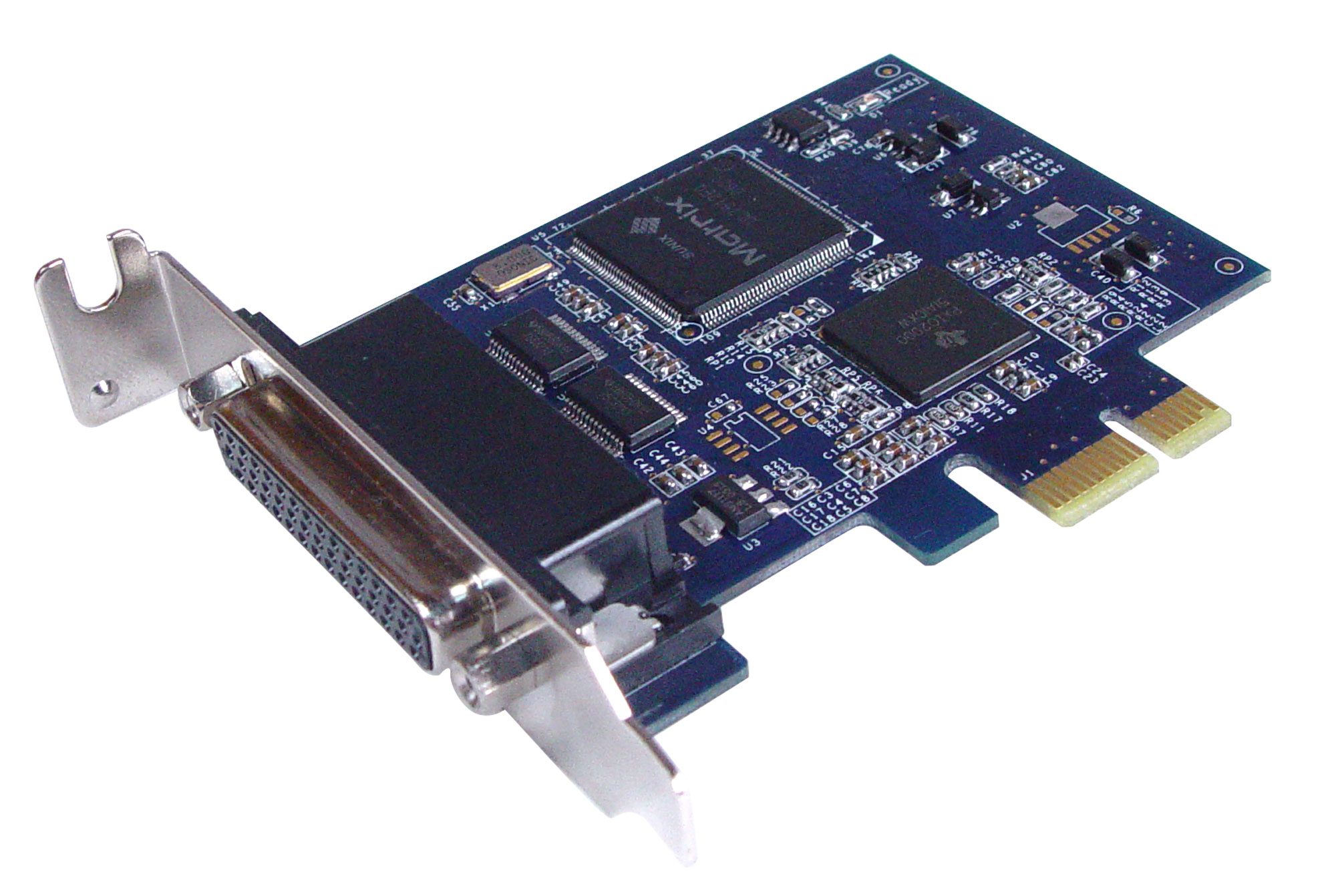
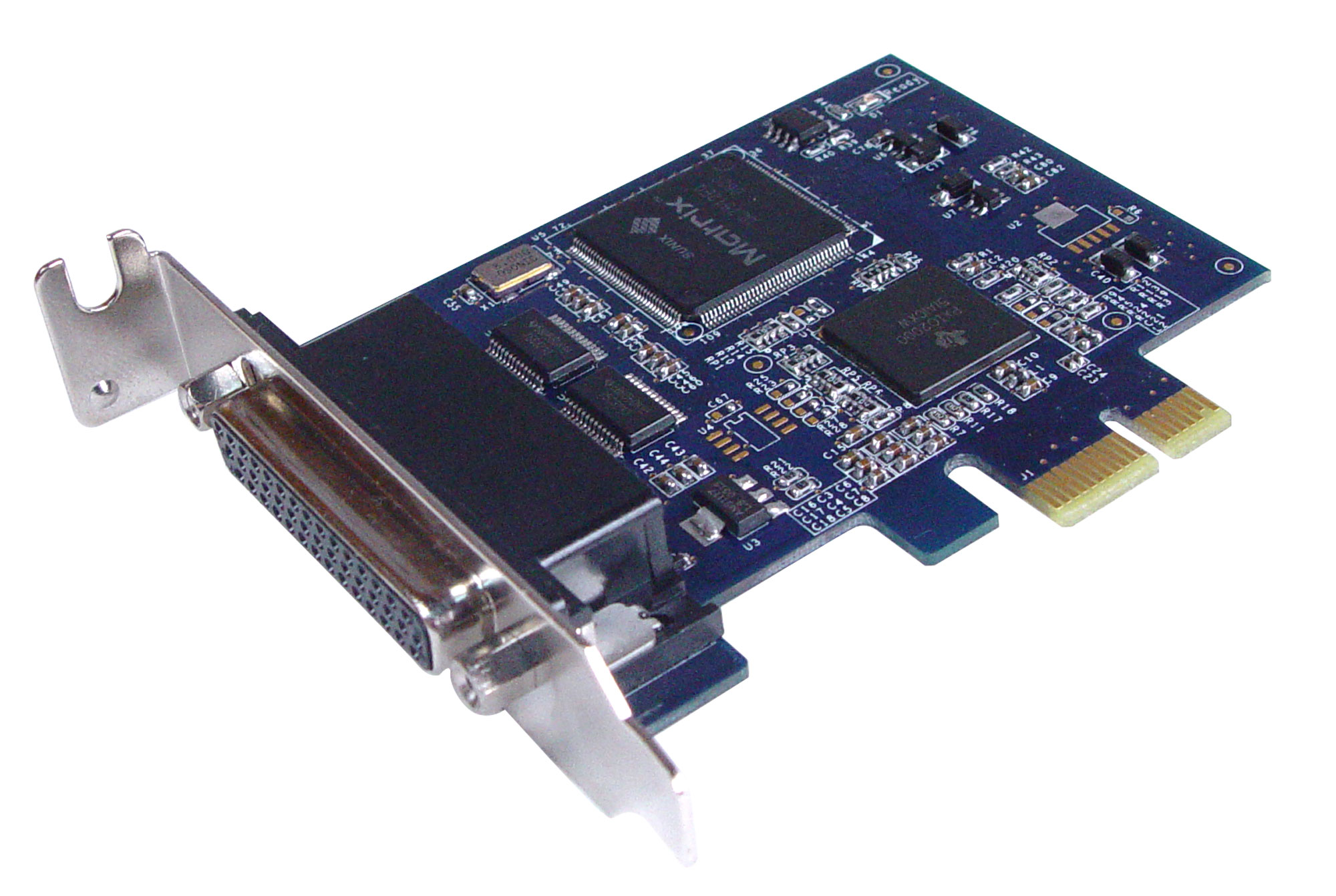
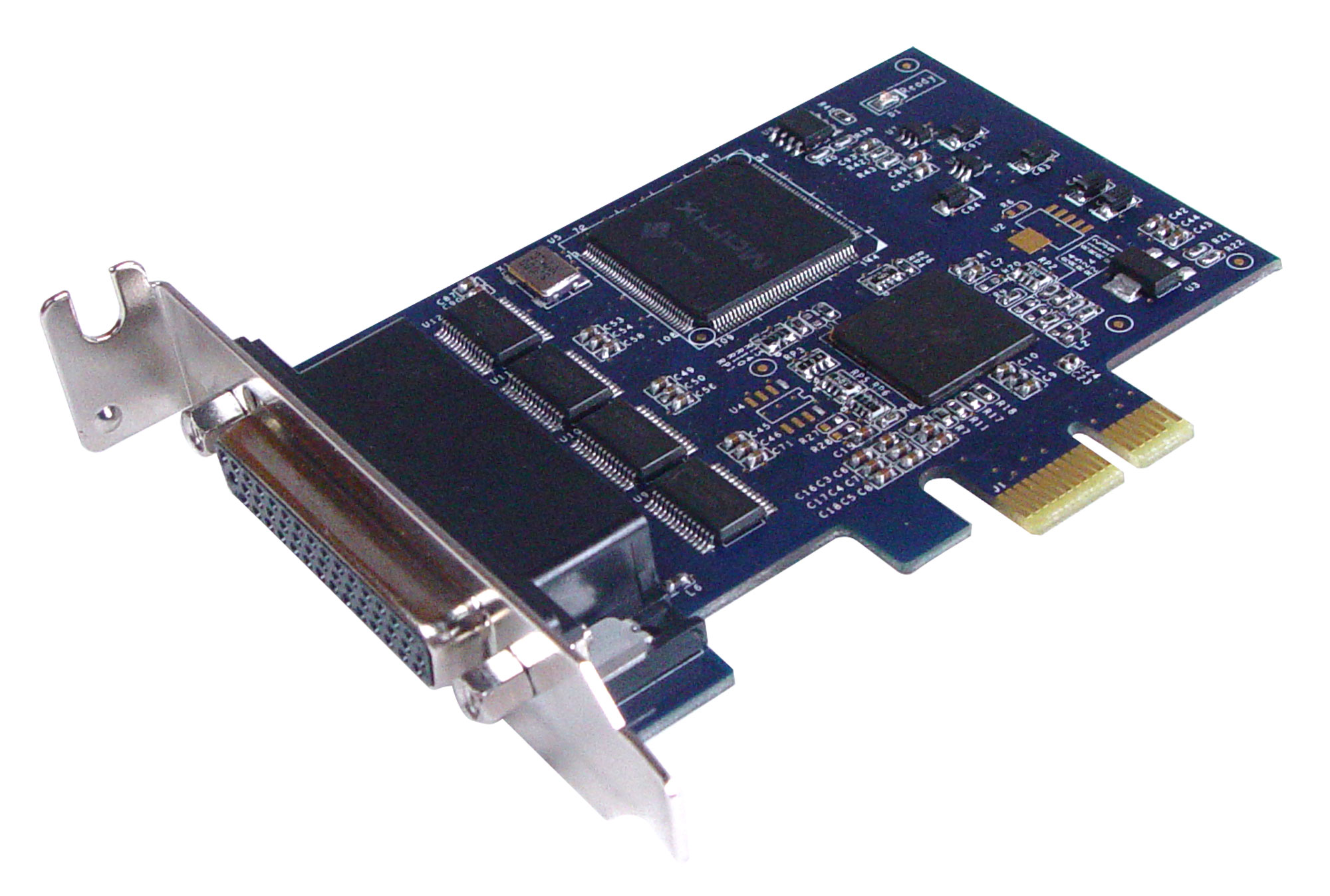
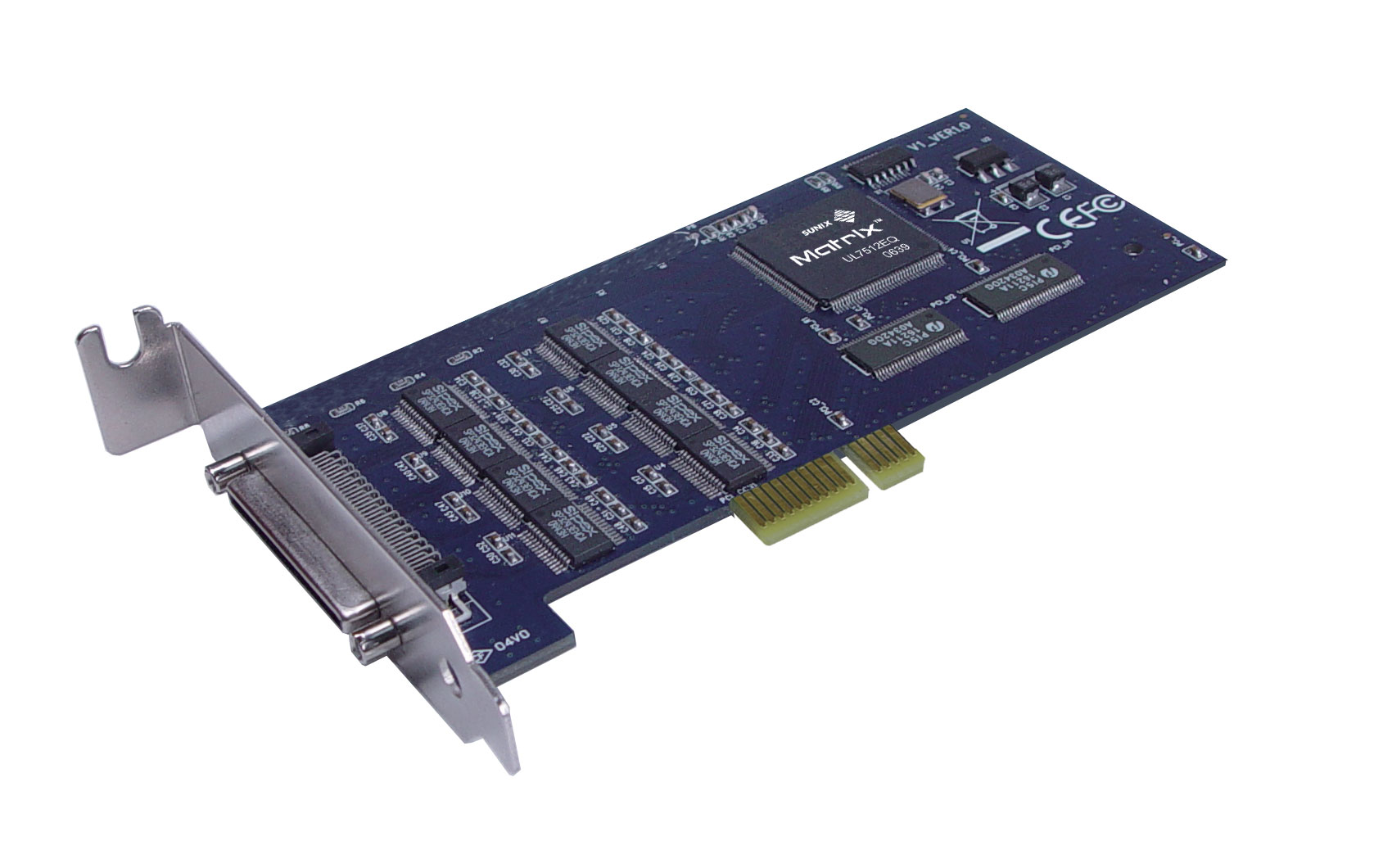
The SUNIX IPC‑E1008 is a high‑performance industrial‑grade PCI Express serial communication card designed to provide eight independent RS‑232 serial ports through a single PCIe interface. It belongs to SUNIX’s professional multi‑port serial card family, which includes PCI, PCI‑Express, and PCI/104 variants for industrial automation, control, and data acquisition applications. The IPC‑E1008 is engineered for reliability, high throughput, and compatibility with a wide range of operating systems and industrial devices.
### 2. Key Features
- Eight Independent RS‑232 Ports: Provides eight fully independent serial communication channels for simultaneous device connectivity.
- High‑Speed Data Transmission: Supports baud rates from 75 bps up to 921.6 Kbps, suitable for both legacy and high‑speed serial devices.
- 64‑Byte FIFO UART Buffer: Each port integrates a 64‑byte hardware FIFO, compatible with the 16C750 UART standard, ensuring efficient data handling and reduced CPU load.
- PCI Express Interface: Compliant with PCI Express Bus Specification Revision 1.0a, utilizing a 1‑lane PCIe connection for high‑bandwidth, low‑latency communication.
- Unlimited Card Scalability: Multiple IPC‑E1008 cards can be installed in a single system, limited only by available PCIe slots.
- Mini SCSI 68‑Pin Connector: On‑board mini SCSI 68‑pin connector links to an external breakout cable providing eight DB9 male connectors.
- Comprehensive OS Support: Compatible with Windows 2000/XP/2003/Vista (32/64‑bit), Linux 2.4/2.6, SCO OpenServer 5.06/5.07, and DOS.
- Embedded 15 kV ESD Protection: Built‑in electrostatic discharge protection on all signal lines ensures robust operation in industrial environments.
- Wide Temperature Range: Operates reliably from 0 °C to 70 °C, with storage capability from –40 °C to 85 °C.
- Dual Bracket Design: Supplied with both standard (121 mm) and low‑profile (79.2 mm) brackets for flexible installation in various chassis types.
- Industrial‑Grade Reliability: Designed for continuous operation in automation, POS, and data acquisition systems.
- Plug‑and‑Play Configuration: IRQ and I/O addresses are automatically assigned by the system BIOS or operating system—no jumpers or DIP switches required.
- SUNIX Proprietary Technologies:
- AHDC/CS™ (Auto Hardware Direction Control / Carrier Sense): Automatically manages RS‑485 signal direction to prevent bus collisions.
- Auto Detect & Switching RS‑422/485: Enables automatic mode detection and switching between RS‑422 full‑duplex and RS‑485 half‑duplex without manual configuration.
### 3. Technical Specifications
Bus Interface: PCI Express, Revision 1.0a, 1‑lane
Number of Ports: 8 independent RS‑232 serial ports
UART Controller: 16C750 compatible, 64‑byte FIFO per port
Baud Rate: 75 bps – 921.6 Kbps
Data Bits: 5, 6, 7, 8
Stop Bits: 1, 1.5, 2
Parity Options: None, Even, Odd, Space, Mark
Flow Control: XON/XOFF (software)
Connector Type: Mini SCSI 68‑pin on card; breakout cable to 8×DB9 male connectors (40 cm or 100 cm length)
ESD Protection: 15 kV embedded protection on all signal lines
FIFO Buffer: 64‑byte hardware FIFO per port
Dimensions: 125 mm × 63 mm (PCB size)
Bracket Options: Standard 121 mm and Low‑Profile 79.2 mm
Operating Temperature: 0 °C – 70 °C
Storage Temperature: –40 °C – 85 °C
Operating Humidity: 5 % – 95 % RH (non‑condensing)
Weight: Approx. 100 g (card only, excluding cable)
Material: Multi‑layer PCB with gold‑plated edge connector, industrial‑grade components
Regulatory Approvals: CE, FCC Class B
Warranty: 5 years
### 4. Functionality
The IPC‑E1008 functions as a PCIe expansion card that adds eight RS‑232 serial communication ports to a host computer. Each port operates independently, allowing simultaneous communication with multiple serial devices such as barcode scanners, PLCs, POS terminals, sensors, and industrial controllers.
Operation Principle:
- The card interfaces with the system via the PCIe bus, using SUNIX’s proprietary Matrix single‑chip UART controller to manage all eight ports efficiently.
- Each port’s UART handles data buffering and flow control, minimizing CPU overhead.
- The card’s driver software integrates with the operating system to assign COM port numbers automatically.
- The mini SCSI 68‑pin connector on the card connects to an external breakout cable that terminates in eight DB9 male connectors for device attachment.
Typical Applications:
- Industrial automation and process control systems
- Point‑of‑Sale (POS) terminals and kiosks
- Data acquisition and instrumentation
- Building management and environmental monitoring systems
- Medical equipment communication interfaces
- Transportation and logistics systems requiring multiple serial connections
Compatibility:
- Fully compatible with standard RS‑232 devices and communication protocols.
- Supports integration with legacy serial peripherals and modern industrial controllers.
- Works with both 32‑bit and 64‑bit operating systems across Windows and Linux platforms.
### 5. Components & Accessories
Included in Package:
1. IPC‑E1008 PCIe Serial Card (main board)
2. Mini SCSI 68‑pin to 8×DB9 Male Cable (available in 40 cm or 100 cm lengths)
3. Standard Bracket (121 mm)
4. Low‑Profile Bracket (79.2 mm)
5. Driver CD containing Windows, Linux, and DOS drivers
6. Quick Installation Guide
7. User Manual
Optional Accessories:
- Extended‑length breakout cables (custom lengths available)
- DB25 adapter cables for alternate connector configurations
- Additional PCIe slot brackets for system integration
Connectors:
- On‑board: Mini SCSI 68‑pin female
- External: DB9 male connectors (×8) via breakout cable
### 6. Installation & Setup
System Requirements:
- Available PCI Express slot (x1 or higher)
- Supported operating system (Windows 2000/XP/2003/Vista, Linux 2.4/2.6, DOS)
- Administrator privileges for driver installation
Installation Steps:
1. Power off the computer and disconnect it from the power source.
2. Remove the system cover and locate an available PCIe slot.
3. Insert the IPC‑E1008 card firmly into the slot and secure it with the bracket screw.
4. Replace the system cover and reconnect power.
5. Connect the mini SCSI 68‑pin cable to the card and attach the DB9 connectors to your serial devices.
6. Boot the system; the operating system will automatically detect the new hardware.
7. Insert the driver CD and follow the on‑screen installation wizard.
8. Configure COM port numbers and FIFO settings via the Device Manager (Windows) or system configuration tools (Linux).
Configuration Options:
- COM port numbering can be reassigned manually.
- FIFO buffer size can be adjusted or disabled.
- Flow control and parity settings are configurable per port.
Mounting Options:
- Standard bracket for full‑height chassis
- Low‑profile bracket for compact or rackmount systems
### 7. Performance & Capabilities
Data Throughput:
Each port supports up to 921.6 Kbps, ensuring reliable high‑speed communication even under heavy load. The 64‑byte FIFO buffer per port minimizes data loss and latency.
Efficiency:
The single‑chip Matrix UART architecture consolidates all port control logic, reducing CPU utilization and improving system performance compared to multi‑chip designs.
Scalability:
Multiple IPC‑E1008 cards can be installed in one system, providing virtually unlimited serial port expansion, constrained only by available PCIe slots.
Reliability:
- 15 kV ESD protection prevents damage from electrostatic discharge.
- Wide temperature tolerance ensures stable operation in industrial environments.
- Solid PCB design with gold‑plated contacts enhances durability and signal integrity.
Limitations:
- RS‑232 only (no RS‑422/485 support on this model).
- Requires driver installation for full functionality under Windows and Linux.
- Not designed for optical isolation; for isolation and surge protection, SUNIX “SI” models are recommended.
### 8. Standards & Compliance
Electrical and Interface Standards:
- PCI Express Bus Specification Revision 1.0a
- RS‑232 Serial Communication Standard
- UART 16C750 Compatibility
Protection and Safety Standards:
- ESD Protection: 15 kV (IEC 61000‑4‑2 compliant)
- Surge Protection: Meets IEC 61000‑4‑5 (for SI variants)
- Operating Environment: Industrial‑grade temperature and humidity ratings
Regulatory Compliance:
- CE Certified (Conformité Européenne)
- FCC Class B (for electromagnetic compatibility)
Industry Standards Supported:
- Compatible with Intel® and AMD® 32‑bit and 64‑bit architectures
- Supports standard COM port addressing and IRQ assignment
### 9. Additional Information
Warranty:
5‑year limited hardware warranty covering manufacturing defects and component failures under normal operating conditions.
Technical Support & Updates:
SUNIX provides comprehensive technical support, driver updates, and documentation through its official website and support channels.
- Email: info@sunix‑ncci.com.tw
- Website: [www.sunix‑ncci.com.tw](http://www.sunix-ncci.com.tw)
Maintenance:
- Keep the card free from dust and moisture.
- Avoid exposure to direct sunlight or magnetic fields.
- Do not attempt to disassemble or repair the card; contact authorized service centers for support.
- Ensure the system is powered off before installation or removal to prevent damage.
Driver Updates:
Regular driver updates are available for new operating systems and kernel versions. Linux drivers support both kernel 2.4.x and 2.6.x series, with installation via standard make and modprobe commands.
Troubleshooting Highlights:
- If the card is not detected, verify proper seating in the PCIe slot and check BIOS resource allocation.
- For communication errors, adjust FIFO buffer size or enable flow control.
- Ensure correct driver version for the operating system architecture (32‑bit or 64‑bit).
Maintenance Environment:
- Operating Temperature: 0 °C – 70 °C
- Storage Temperature: –40 °C – 85 °C
- Humidity: 5 % – 95 % RH (non‑condensing)
Product Lifecycle & Reliability:
The IPC‑E1008 is designed for long‑term industrial deployment, with stable driver support and backward compatibility for legacy systems. Its robust design and extended warranty make it suitable for mission‑critical applications requiring continuous uptime.
### Summary
The SUNIX IPC‑E1008 PCIe 8×RS‑232 Professional Card is a robust, high‑performance serial communication solution for industrial and commercial systems requiring multiple RS‑232 interfaces. With its 8 independent ports, 64‑byte FIFO buffers, 15 kV ESD protection, and PCI Express architecture, it delivers reliable, high‑speed serial connectivity with minimal CPU overhead. The card’s plug‑and‑play design, broad OS compatibility, and dual‑bracket flexibility make it ideal for integration into automation systems, POS networks, and data acquisition platforms. Supported by SUNIX’s long‑term warranty and technical support, the IPC‑E1008 stands as a dependable choice for expanding serial communication capabilities in modern industrial computing environments.
### 1. Product Overview
Product Name: PCIe 8×RS‑232 Professional Card
Model Number: IPC‑E1008
Article Number: IPC‑E1008
Series: Industrial Multi‑Port Serial Communication Boards (PCI Express Series)
Manufacturer: SUNIX Co., Ltd.
The SUNIX IPC‑E1008 is a high‑performance industrial‑grade PCI Express serial communication card designed to provide eight independent RS‑232 serial ports through a single PCIe interface. It belongs to SUNIX’s professional multi‑port serial card family, which includes PCI, PCI‑Express, and PCI/104 variants for industrial automation, control, and data acquisition applications. The IPC‑E1008 is engineered for reliability, high throughput, and compatibility with a wide range of operating systems and industrial devices.
### 2. Key Features
- Eight Independent RS‑232 Ports: Provides eight fully independent serial communication channels for simultaneous device connectivity.
- High‑Speed Data Transmission: Supports baud rates from 75 bps up to 921.6 Kbps, suitable for both legacy and high‑speed serial devices.
- 64‑Byte FIFO UART Buffer: Each port integrates a 64‑byte hardware FIFO, compatible with the 16C750 UART standard, ensuring efficient data handling and reduced CPU load.
- PCI Express Interface: Compliant with PCI Express Bus Specification Revision 1.0a, utilizing a 1‑lane PCIe connection for high‑bandwidth, low‑latency communication.
- Unlimited Card Scalability: Multiple IPC‑E1008 cards can be installed in a single system, limited only by available PCIe slots.
- Mini SCSI 68‑Pin Connector: On‑board mini SCSI 68‑pin connector links to an external breakout cable providing eight DB9 male connectors.
- Comprehensive OS Support: Compatible with Windows 2000/XP/2003/Vista (32/64‑bit), Linux 2.4/2.6, SCO OpenServer 5.06/5.07, and DOS.
- Embedded 15 kV ESD Protection: Built‑in electrostatic discharge protection on all signal lines ensures robust operation in industrial environments.
- Wide Temperature Range: Operates reliably from 0 °C to 70 °C, with storage capability from –40 °C to 85 °C.
- Dual Bracket Design: Supplied with both standard (121 mm) and low‑profile (79.2 mm) brackets for flexible installation in various chassis types.
- Industrial‑Grade Reliability: Designed for continuous operation in automation, POS, and data acquisition systems.
- Plug‑and‑Play Configuration: IRQ and I/O addresses are automatically assigned by the system BIOS or operating system—no jumpers or DIP switches required.
- SUNIX Proprietary Technologies:
- AHDC/CS™ (Auto Hardware Direction Control / Carrier Sense): Automatically manages RS‑485 signal direction to prevent bus collisions.
- Auto Detect & Switching RS‑422/485: Enables automatic mode detection and switching between RS‑422 full‑duplex and RS‑485 half‑duplex without manual configuration.
### 3. Technical Specifications
Bus Interface: PCI Express, Revision 1.0a, 1‑lane
Number of Ports: 8 independent RS‑232 serial ports
UART Controller: 16C750 compatible, 64‑byte FIFO per port
Baud Rate: 75 bps – 921.6 Kbps
Data Bits: 5, 6, 7, 8
Stop Bits: 1, 1.5, 2
Parity Options: None, Even, Odd, Space, Mark
Flow Control: XON/XOFF (software)
Connector Type: Mini SCSI 68‑pin on card; breakout cable to 8×DB9 male connectors (40 cm or 100 cm length)
ESD Protection: 15 kV embedded protection on all signal lines
FIFO Buffer: 64‑byte hardware FIFO per port
Dimensions: 125 mm × 63 mm (PCB size)
Bracket Options: Standard 121 mm and Low‑Profile 79.2 mm
Operating Temperature: 0 °C – 70 °C
Storage Temperature: –40 °C – 85 °C
Operating Humidity: 5 % – 95 % RH (non‑condensing)
Weight: Approx. 100 g (card only, excluding cable)
Material: Multi‑layer PCB with gold‑plated edge connector, industrial‑grade components
Regulatory Approvals: CE, FCC Class B
Warranty: 5 years
### 4. Functionality
The IPC‑E1008 functions as a PCIe expansion card that adds eight RS‑232 serial communication ports to a host computer. Each port operates independently, allowing simultaneous communication with multiple serial devices such as barcode scanners, PLCs, POS terminals, sensors, and industrial controllers.
Operation Principle:
- The card interfaces with the system via the PCIe bus, using SUNIX’s proprietary Matrix single‑chip UART controller to manage all eight ports efficiently.
- Each port’s UART handles data buffering and flow control, minimizing CPU overhead.
- The card’s driver software integrates with the operating system to assign COM port numbers automatically.
- The mini SCSI 68‑pin connector on the card connects to an external breakout cable that terminates in eight DB9 male connectors for device attachment.
Typical Applications:
- Industrial automation and process control systems
- Point‑of‑Sale (POS) terminals and kiosks
- Data acquisition and instrumentation
- Building management and environmental monitoring systems
- Medical equipment communication interfaces
- Transportation and logistics systems requiring multiple serial connections
Compatibility:
- Fully compatible with standard RS‑232 devices and communication protocols.
- Supports integration with legacy serial peripherals and modern industrial controllers.
- Works with both 32‑bit and 64‑bit operating systems across Windows and Linux platforms.
### 5. Components & Accessories
Included in Package:
1. IPC‑E1008 PCIe Serial Card (main board)
2. Mini SCSI 68‑pin to 8×DB9 Male Cable (available in 40 cm or 100 cm lengths)
3. Standard Bracket (121 mm)
4. Low‑Profile Bracket (79.2 mm)
5. Driver CD containing Windows, Linux, and DOS drivers
6. Quick Installation Guide
7. User Manual
Optional Accessories:
- Extended‑length breakout cables (custom lengths available)
- DB25 adapter cables for alternate connector configurations
- Additional PCIe slot brackets for system integration
Connectors:
- On‑board: Mini SCSI 68‑pin female
- External: DB9 male connectors (×8) via breakout cable
### 6. Installation & Setup
System Requirements:
- Available PCI Express slot (x1 or higher)
- Supported operating system (Windows 2000/XP/2003/Vista, Linux 2.4/2.6, DOS)
- Administrator privileges for driver installation
Installation Steps:
1. Power off the computer and disconnect it from the power source.
2. Remove the system cover and locate an available PCIe slot.
3. Insert the IPC‑E1008 card firmly into the slot and secure it with the bracket screw.
4. Replace the system cover and reconnect power.
5. Connect the mini SCSI 68‑pin cable to the card and attach the DB9 connectors to your serial devices.
6. Boot the system; the operating system will automatically detect the new hardware.
7. Insert the driver CD and follow the on‑screen installation wizard.
8. Configure COM port numbers and FIFO settings via the Device Manager (Windows) or system configuration tools (Linux).
Configuration Options:
- COM port numbering can be reassigned manually.
- FIFO buffer size can be adjusted or disabled.
- Flow control and parity settings are configurable per port.
Mounting Options:
- Standard bracket for full‑height chassis
- Low‑profile bracket for compact or rackmount systems
### 7. Performance & Capabilities
Data Throughput:
Each port supports up to 921.6 Kbps, ensuring reliable high‑speed communication even under heavy load. The 64‑byte FIFO buffer per port minimizes data loss and latency.
Efficiency:
The single‑chip Matrix UART architecture consolidates all port control logic, reducing CPU utilization and improving system performance compared to multi‑chip designs.
Scalability:
Multiple IPC‑E1008 cards can be installed in one system, providing virtually unlimited serial port expansion, constrained only by available PCIe slots.
Reliability:
- 15 kV ESD protection prevents damage from electrostatic discharge.
- Wide temperature tolerance ensures stable operation in industrial environments.
- Solid PCB design with gold‑plated contacts enhances durability and signal integrity.
Limitations:
- RS‑232 only (no RS‑422/485 support on this model).
- Requires driver installation for full functionality under Windows and Linux.
- Not designed for optical isolation; for isolation and surge protection, SUNIX “SI” models are recommended.
### 8. Standards & Compliance
Electrical and Interface Standards:
- PCI Express Bus Specification Revision 1.0a
- RS‑232 Serial Communication Standard
- UART 16C750 Compatibility
Protection and Safety Standards:
- ESD Protection: 15 kV (IEC 61000‑4‑2 compliant)
- Surge Protection: Meets IEC 61000‑4‑5 (for SI variants)
- Operating Environment: Industrial‑grade temperature and humidity ratings
Regulatory Compliance:
- CE Certified (Conformité Européenne)
- FCC Class B (for electromagnetic compatibility)
Industry Standards Supported:
- Compatible with Intel® and AMD® 32‑bit and 64‑bit architectures
- Supports standard COM port addressing and IRQ assignment
### 9. Additional Information
Warranty:
5‑year limited hardware warranty covering manufacturing defects and component failures under normal operating conditions.
Technical Support & Updates:
SUNIX provides comprehensive technical support, driver updates, and documentation through its official website and support channels.
- Email: info@sunix‑ncci.com.tw
- Website: [www.sunix‑ncci.com.tw](http://www.sunix-ncci.com.tw)
Maintenance:
- Keep the card free from dust and moisture.
- Avoid exposure to direct sunlight or magnetic fields.
- Do not attempt to disassemble or repair the card; contact authorized service centers for support.
- Ensure the system is powered off before installation or removal to prevent damage.
Driver Updates:
Regular driver updates are available for new operating systems and kernel versions. Linux drivers support both kernel 2.4.x and 2.6.x series, with installation via standard make and modprobe commands.
Troubleshooting Highlights:
- If the card is not detected, verify proper seating in the PCIe slot and check BIOS resource allocation.
- For communication errors, adjust FIFO buffer size or enable flow control.
- Ensure correct driver version for the operating system architecture (32‑bit or 64‑bit).
Maintenance Environment:
- Operating Temperature: 0 °C – 70 °C
- Storage Temperature: –40 °C – 85 °C
- Humidity: 5 % – 95 % RH (non‑condensing)
Product Lifecycle & Reliability:
The IPC‑E1008 is designed for long‑term industrial deployment, with stable driver support and backward compatibility for legacy systems. Its robust design and extended warranty make it suitable for mission‑critical applications requiring continuous uptime.
### Summary
The SUNIX IPC‑E1008 PCIe 8×RS‑232 Professional Card is a robust, high‑performance serial communication solution for industrial and commercial systems requiring multiple RS‑232 interfaces. With its 8 independent ports, 64‑byte FIFO buffers, 15 kV ESD protection, and PCI Express architecture, it delivers reliable, high‑speed serial connectivity with minimal CPU overhead. The card’s plug‑and‑play design, broad OS compatibility, and dual‑bracket flexibility make it ideal for integration into automation systems, POS networks, and data acquisition platforms. Supported by SUNIX’s long‑term warranty and technical support, the IPC‑E1008 stands as a dependable choice for expanding serial communication capabilities in modern industrial computing environments.
-
 MultiportSerialCards.pdf
PDF Catalog
MultiportSerialCards.pdf
PDF Catalog
-
 SUNIX Manual_PCI V1.0.pdf
Manual
SUNIX Manual_PCI V1.0.pdf
Manual
No accessories available.